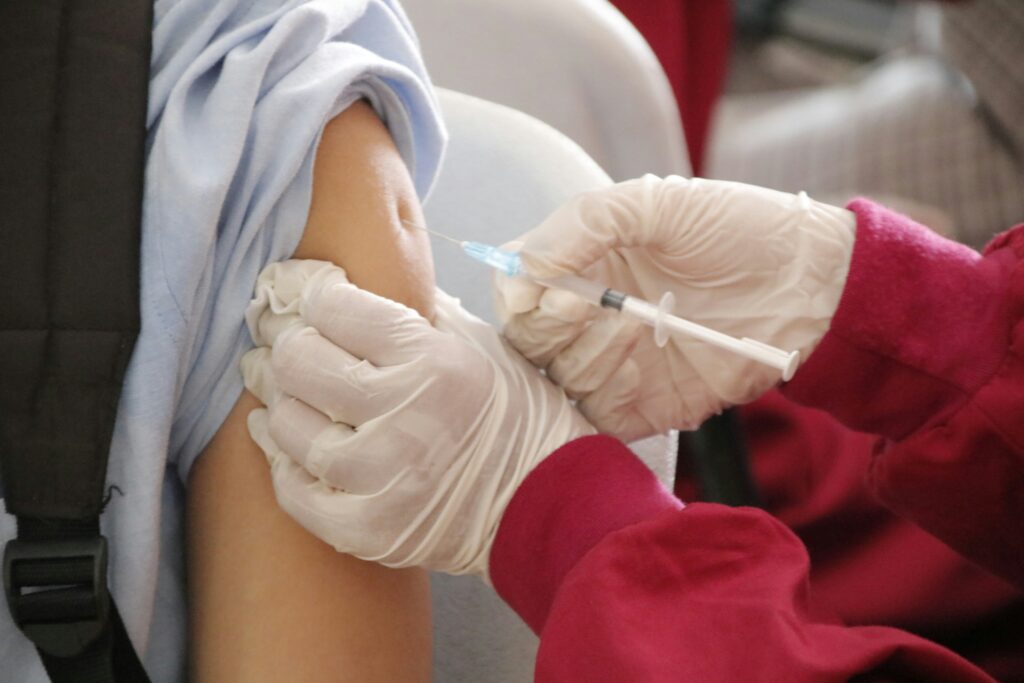
New figures published on 24 November 2026 by the Netherlands Comprehensive Cancer Organisation (IKNL) and Erasmus MC put HPV vaccination back in the news: their analysis estimates that vaccination could prevent nearly 12,800 cancer diagnoses over the lifetimes of children now aged 0 to 9, using the uptake levels in their model. This is a projection, not a count of cancers already prevented. We are reporting the figures as recent news and explaining how they relate to the Netherlands’ HPV programme.
When are children invited?
Children are invited in the calendar year they turn 10. The first invitation is sent in spring and the second in autumn, for a second dose about six months after the first. The invitation gives the appointment time and location, usually arranged by the local youth healthcare service (JGZ). Dates can vary by region. For example, children born in 2016 turn 10 in 2026 and are included in this year’s invitation rounds. The National Immunisation Programme explains how invitations work.
If your child has recently moved to the Netherlands or did not receive an invitation, contact the local JGZ or GGD. Missed HPV vaccinations are available through the programme at no cost until a person turns 18. The RIVM says 2026 HPV invitations for 10-year-olds also include general information that missed vaccinations can be caught up.
What changed in the HPV programme in 2026?
Since 1 September 2026, the programme has used Gardasil 9 instead of Cervarix. Gardasil 9 targets nine HPV types: seven associated with cancer and two associated with genital warts. Cervarix targets the two types responsible for most HPV-related cancers and offers partial protection against some other cancer-related types. The RIVM’s HPV information page says children who have already had two Cervarix doses do not need an additional dose. A child who has had one Cervarix dose can receive Gardasil 9 as the second dose.
What does the 12,800 figure refer to?
In an analysis published on 24 November 2026, IKNL and Erasmus MC estimated that HPV vaccination could prevent nearly 12,800 cancer diagnoses over the lifetimes of children who are currently aged 0 to 9. The estimate covers six HPV-related cancer types and includes both direct protection from vaccination and a modelled reduction in virus transmission.
This is a modelled projection, not a count of cancers already prevented. The analysis used uptake assumptions of about 65% among girls and 57% among boys, based on the average of recent reporting years available when the modelling began. The researchers say a higher uptake could result in more diagnoses being prevented. Their calculations estimate more than 9,200 diagnoses avoided among girls and more than 3,500 among boys under those assumptions. IKNL explains the data and modelling behind the estimate.
HPV and health
Human papillomavirus (HPV) is common. Some types can cause cancer years after infection, including cervical, anal, penile, vaginal, vulvar and some head and neck cancers. The RIVM estimates that around 1,200 women and 400 men in the Netherlands develop HPV-related cancer each year. Vaccination is offered to boys as well as girls.
The programme uses two doses, about six months apart. The RIVM lists a sore arm and muscle pain among common side effects; these usually pass within a few days. The vaccine does not cover every cancer-causing HPV type, so it does not replace cervical cancer screening. The RIVM currently says eligible women should continue to participate in the screening programme, while research into possible future changes is ongoing.
Consent and practical information
Consent is required for vaccination. For children under 12, a parent or guardian gives consent. From ages 12 to 16, both the young person and a parent or guardian must consent. From age 16, the young person decides. See the National Immunisation Programme’s information on consent.
If the appointment listed in the invitation does not work, contact the JGZ organisation named in the letter. The RIVM does not reschedule local appointments. More information is available from the Rijksvaccinatieprogramma.
Featured photo: Ed Us / Unsplash
Editorial note: This article provides factual background on the Dutch HPV vaccination programme and recent news. Expat.nl does not make recommendations about vaccination or express an opinion on whether readers should vaccinate.